
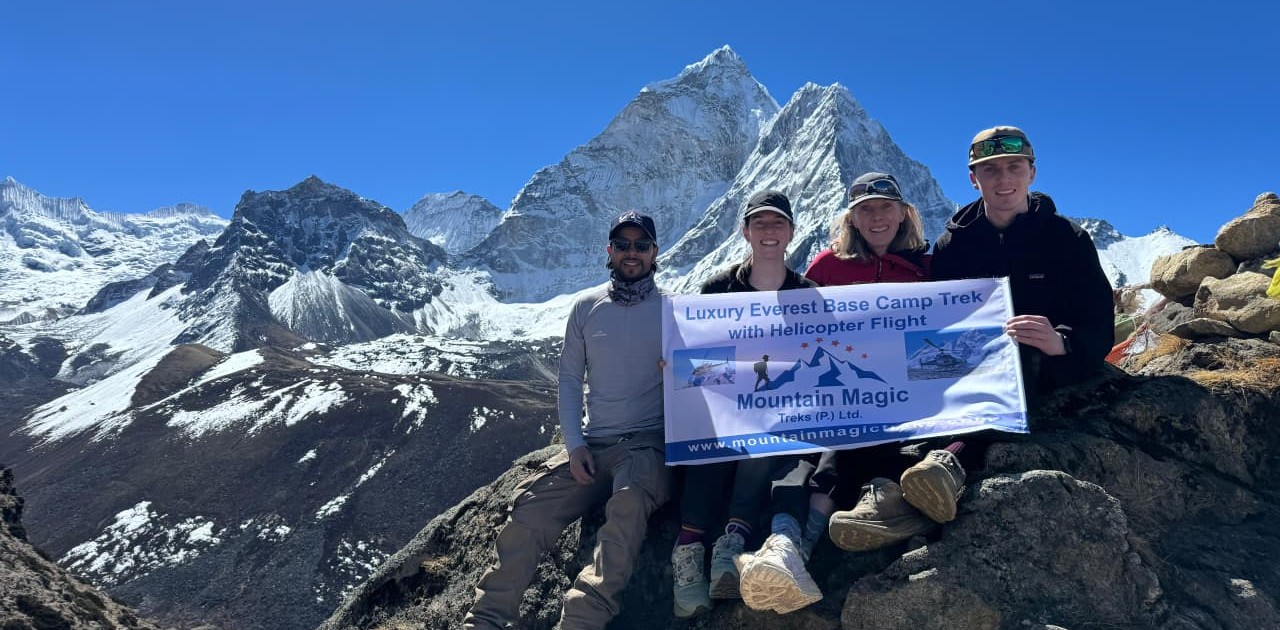
A great mountain trip is not only about reaching a famous place. It is also about the small moments that happen along the way. The sound of boots on the trail, a warm drink after a long walk, a quiet village morning, and the first clear view of the high peaks can all become part of the memory.
The Everest Base Camp Trek with helicopter return gives travelers a chance to enjoy these moments without making the return journey on foot. The trek takes you deep into the Khumbu region, while the helicopter ride provides a very different way to finish the adventure.
Start by Enjoying the Change of Pace
Life in Kathmandu can feel busy and fast. Once the trek begins, the rhythm changes completely.
Instead of traffic and crowded streets, your days become centered around walking, meals, rest, and mountain views. Accepting this slower routine early can make the whole trip more enjoyable.
Let the First Days Feel Different
Do not worry about reaching every destination as quickly as possible. The first part of the trek is a chance to get used to the trail and your new surroundings.
Notice the bridges, stone paths, small shops, and homes along the route. These details help turn a trek into a real travel experience.
Pay Attention to How the Trail Changes
One interesting part of the journey is that the surroundings do not stay the same.
Lower sections have more trees and greener landscapes. As you move higher, the vegetation becomes thinner and the mountains become more dominant.
Notice the Ground Beneath Your Feet
The trail may include stone steps, dirt paths, rocky sections, and uneven ground. Each type of surface changes how your body feels after several hours.
Good footwear matters, but so does your walking technique. Short, steady steps can make rough sections easier to handle.
Make Your Daily Schedule Work for You
A trek becomes easier when your day has a simple routine.
Wake up, prepare your bag, eat breakfast, and start walking without rushing. During the day, take short breaks instead of waiting until you are completely tired.
Keep Your Essentials Easy to Reach
Your day bag should contain the things you may need while walking.
Useful items include:
- Water bottle
- Sunglasses
- Sunscreen
- Light jacket
- Snacks
- Phone or camera
- Personal medicines
- Small power bank
Keeping these items organized saves time during the day.
Turn Tea Houses Into Part of the Experience
Mountain accommodation may be simple, but tea houses offer something valuable: a place to rest and connect with the local environment.
Evenings can become some of the most enjoyable parts of the trip. Sit with your trekking group, talk with your guide, enjoy a hot meal, and watch the changing light outside.
Enjoy Simple Comforts
A warm cup of tea can feel much more special after hours on the trail. These simple moments are easy to overlook when travelers focus only on major landmarks.
Sometimes the best memories come from an ordinary evening rather than a famous viewpoint.
Give Your Camera a Better Job
The Everest region offers many photo opportunities, but taking hundreds of random pictures is not always the best approach.
Instead, look for small stories. Photograph a trail sign, a bridge, a village street, a mountain window view, or your trekking boots after a long day.
Capture People and Places Respectfully
Always be thoughtful when photographing local people, monks, or religious sites. Ask permission when appropriate.
This makes your photographs more respectful and also creates a better connection with the place you are visiting.
Prepare Yourself for the Final Trekking Days
The higher sections can feel very different from the earlier part of the route. The landscape becomes more open, the air feels thinner, and each walking day can require more effort.
The final approach toward Everest Base Camp is worth treating as its own experience.
Do Not Focus Only on the Destination
The path to Base Camp includes views, changing landscapes, mountain scenery, and moments of personal effort.
Enjoy the journey instead of thinking only about the point where the trail ends. Reaching Base Camp feels even better when you remember everything that happened before it.
Make the Helicopter Return Part of the Adventure
The helicopter return is more than a faster way home. It gives you a chance to see the region from a completely different angle.
After spending days surrounded by mountains at ground level, looking down at valleys, trails, and settlements can change your understanding of the distance you have traveled.
Expect Weather to Influence the Flight
Mountain flights depend on safe flying conditions. Weather can affect departure times, so keeping some flexibility is important.
Your trekking team can guide you through the process and help manage the practical details when conditions change.
Keep a Small Record of Each Day
You do not need to write a long travel diary. A few lines each evening can be enough.
Write down where you walked, something interesting you saw, how the day felt, and one moment you want to remember. Months later, these small notes can bring the journey back to life.
Travel With Respect for the Khumbu
A memorable trek should also leave a positive impression on the places you visit.
Carry your waste, avoid unnecessary plastic, follow local customs, and treat guides, porters, and local residents with respect. Responsible travel helps protect the region for future visitors.
Final Thoughts
The Everest Base Camp Trek with helicopter return is not simply a trip to a famous mountain destination. It combines walking, local culture, changing landscapes, personal challenges, and a unique aerial finish.
The best way to enjoy it is to stay present throughout the journey. Notice the small details, appreciate the simple comforts, and allow each day to have its own character.
When the helicopter finally lifts away from the mountains, you will not only remember Everest Base Camp. You will remember the entire journey that brought you there.
Frequently Asked Questions
Is the Everest Base Camp Trek with helicopter return suitable for first-time trekkers?
Yes, it can be suitable for first-time trekkers who prepare properly and follow a well-planned itinerary. The trek still requires good fitness and preparation for high-altitude walking.
How long does the trek usually take?
A common itinerary takes around 10 days, including the trekking sections and helicopter return.
What should I carry in my day bag?
Carry water, sun protection, warm layers, snacks, personal medicines, and basic electronic items you may need during the day.
Does the helicopter always fly on schedule?
No. Mountain weather can affect helicopter operations. Flight timing may change when conditions are not suitable for safe flying.
What makes this trek different from a normal Everest Base Camp route?
The major difference is the return journey. Instead of walking back through the same mountain route, the Everest Base Camp Trek with helicopter return finishes with an aerial journey toward Kathmandu.
What is the best way to enjoy the trek?
Avoid treating the trip as a race. Give yourself time to enjoy the scenery, villages, meals, quiet moments, and changing mountain landscapes along the way.
